
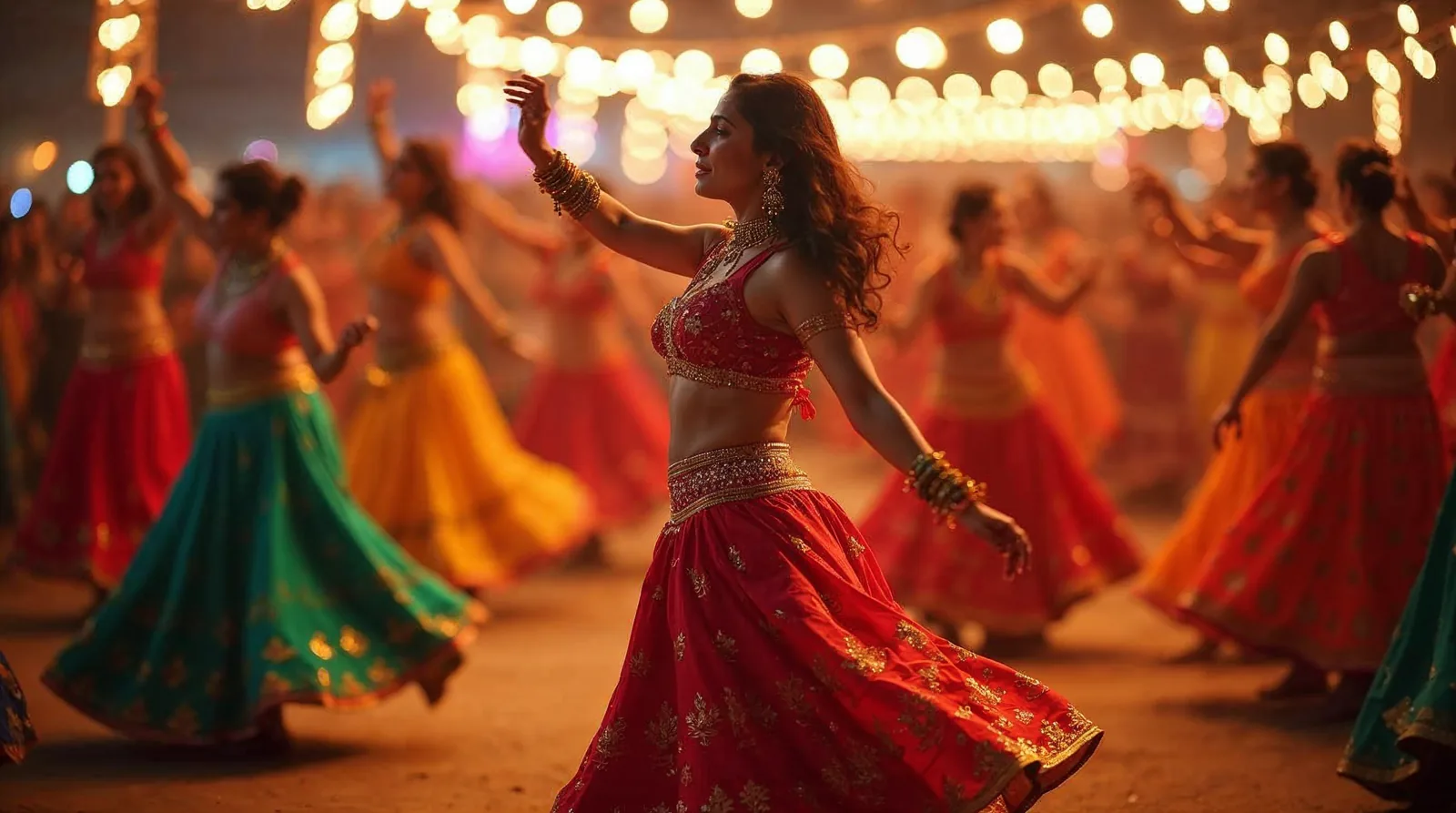
Navratri falls when the Moon transits specific nakshatras after the new year's solar ingress - its timing is pure Panchang. The nine nights map loosely to the navagraha themes: courage, purification, learning, devotion.
Traditional observance - fasting, mantra, reading the Devi Mahatmya - is the season's remedy-period for Moon and Mars afflictions. If your chart shows a difficult Mars or a weak Moon, Navratri is the classical window for strengthening them.
The four Navratris in a year
There are four Navratris, not two. Chaitra (March-April) and Sharad (September-October) are the famous ones; Magha and Ashadha are the two gupt (hidden) Navratris, observed mainly by sadhaks. Each spans nine nights starting the day after Amavasya or the first tithi of the bright half, and each night honours a different form of Durga - the sequence runs Shailputri to Siddhidatri, mapping an ascent from raw energy to siddhi.
What to do in Navratri for specific doshas
For Mars afflictions (manglik, blood-pressure issues, temper), the tradition assigns Tuesdays and the recitation of the Durga Saptashati. For Moon weakness, the nine nights' fasting discipline itself is the remedy - the Moon rules food and emotion. For Rahu, the eighth night (Ashtami, honouring Mahagauri) is the key observance; for Ketu, the ninth (Siddhidatri). A practical routine many families follow: light a diya each evening, read one adhyaya of the Saptashati, keep a simple satvik fast, and dedicate each night's prayer to one graha - nine nights, nine planets.
Common questions
Which Navratri is more important? Sharad Navratri (before Diwali) is the grand one; Chaitra (ending on Ram Navami) is equally valid scripturally. The gupt Navratris are for serious practitioners.
Do the 2026 dates differ by city? The tithi is universal but its start time relative to local sunrise shifts - always check the panchang for your city, since Ashtami falling partly across two civil dates changes the fasting day.
Is Kalash Sthapana on a muhurat? Yes - Ghatasthapana on Pratipada has a specified muhurat window (usually the first third of the day); the panchang lists it each year.